Title TagHow Elite Footballers Maintain Peak Performance Throughout the Season
|
Getting your Trinity Audio player ready... |
Meta Description
Discover how elite footballers stay at peak performance all season: training, nutrition, recovery, mental strength, and injury prevention backed by expert insights and data.
URL Slug
how-elite-footballers-maintain-peak-performance-throughout-season
How Elite Footballers Maintain Peak Performance Throughout the Season
The margins between victory and collapse in professional football are razor-thin. A single lapse in fitness, a moment of mental fatigue, or minor injury can derail a season’s ambitions. Yet top footballers like Cristiano Ronaldo, Erling Haaland, and Lionel Messi consistently deliver world-class performances across 40–50 matches per year. How do they do it?
The answer lies in a meticulously engineered blend of physical conditioning, cutting-edge nutrition, advanced recovery protocols, mental resilience training, and data-driven load management. Modern elite footballers don’t just train hard—they train smart, using science, technology, and discipline to sustain peak performance from the first whistle to the final match of the season.
This article breaks down the exact strategies, habits, and systems that allow the world’s best footballers to perform at their highest level throughout the grueling football calendar.
The Science Behind Sustaining Elite Football Performance
Football is one of the most physically demanding sports on Earth. The average professional player covers 9–12 kilometers per match, performs 150–250 high-intensity actions, and experiences repeated bursts of sprinting, jumping, and tackling. Over a season, this translates to thousands of kilometers run, hundreds of matches, and constant exposure to injury risk.
Maintaining peak performance isn’t about one thing—it’s about mastering a complex triad:
- Physical preparation (strength, speed, endurance, agility)
- Nutritional fueling (macronutrients, hydration, timing)
- Recovery and injury prevention (sleep, therapy, load management)
When these three pillars are balanced, footballers can avoid fatigue, maintain sharpness, and perform consistently.
Dr Barry Drust, a leading sports scientist at the University of Birmingham, notes that poor performance runs often stem from physical fatigue, high injury rates, psychological pressure, or disrupted routines. Elite clubs address all four through integrated sports science programs.
1. Physical Conditioning: Building the Engine for 90 Minutes
H3: Strength and Power Training
Modern football demands explosive strength. Elite players follow tailored strength and conditioning programs focusing on:
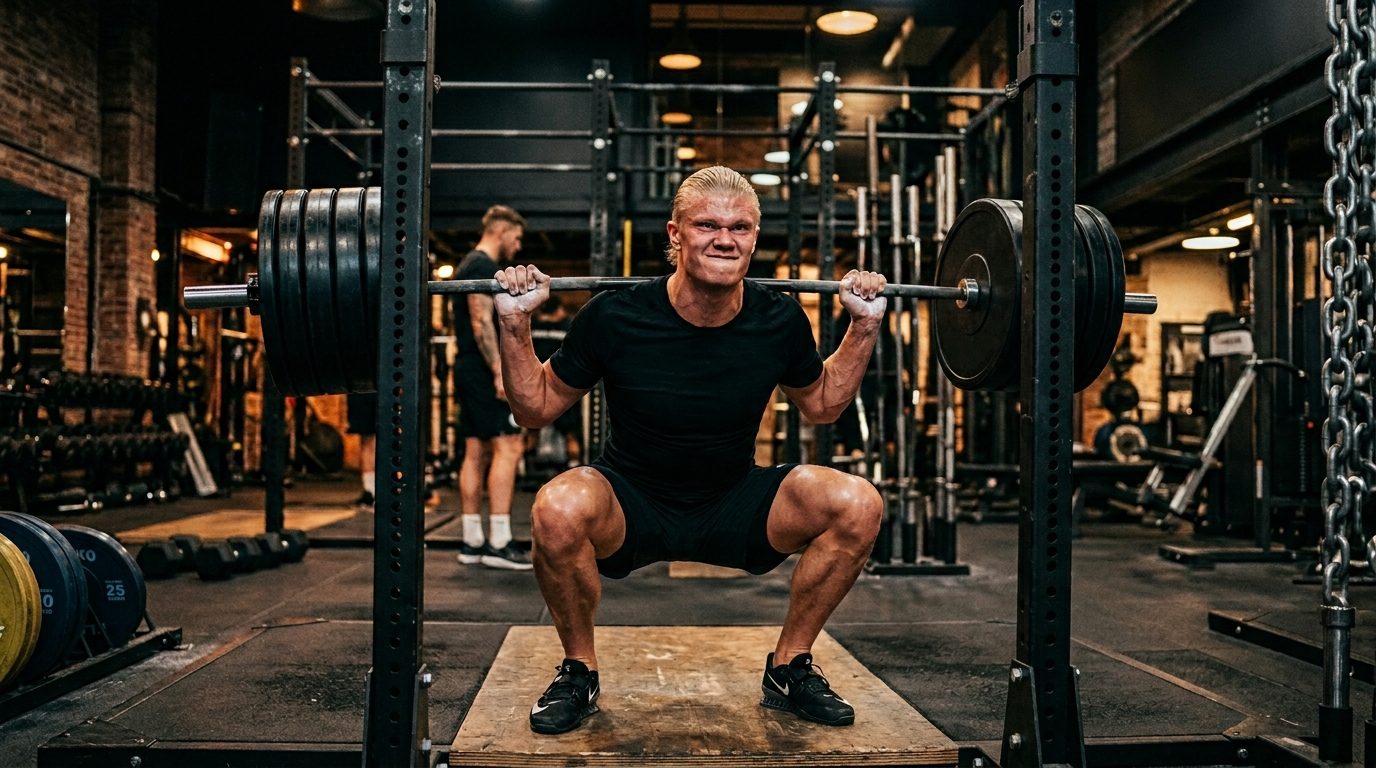
- Resistance Training: Builds muscle strength and power for explosive movements like sprinting, jumping, and shooting
- Plyometrics: Enhances agility and quickness via jump squats, box jumps, and bounding exercises
- Core Stability: Improves balance, coordination, and resistance to tackles
Players like Virgil van Dijk and Erling Haaland prioritize heavy lifting in the gym during off-season and maintain strength with lighter, maintenance-focused sessions in-season.
H3: Aerobic and Anaerobic Endurance
Football is a mix of steady jogging and all-out sprinting. Players need both aerobic endurance (to sustain effort) and anaerobic capacity (for bursts).
- Aerobic Conditioning: Boosts cardiovascular endurance, enabling high-intensity efforts throughout matches
- Interval Training: Mimics match demands with repeated high-intensity runs followed by short recovery
- Small-Sided Games: 5v5 or 7v7 drills improve endurance while maintaining technical skill
Top clubs like Manchester City and Bayern Munich use data from wearable devices to monitor heart rate, distance covered, and sprint speeds, optimizing training loads.
H3: Agility, Speed, and Agility Drills
Quick footwork and acceleration separate elite players from amateurs. Training includes:
- Ladder drills for foot speed
- Cone drills for change of direction
- Resistance sprinting with bands
- Reaction-based drills responding to visual cues
These drills improve neuromuscular coordination, allowing players to react faster during matches.
2. Nutrition: Fueling the Elite Football Body
H3: Macronutrient Balance
Fueling the body appropriately is paramount. Elite footballers follow diets rich in:
A typical meal plan for a match day might include:
- Pre-match (3–4 hours before): Grilled chicken, rice, vegetables
- 30 minutes before: Banana or energy gel
- Post-match: Protein shake, sweet potato, leafy greens
H3: Hydration and Supplement Strategy
Hydration is meticulously monitored. Players drink 2–3 liters daily, plus extra during training. Electrolyte drinks prevent dehydration during intense sessions.
Supplements are used judiciously:
- Creatine: Enhances power output
- Caffeine: Boosts focus and energy
- Vitamin D & Omega-3: Supports joint health and immunity
- Beta-Alanine: Improves anaerobic endurance
All supplements are vetted by sports nutritionists to avoid banned substances.
H3: Meal Timing and Circadian Rhythm
Elite players align eating with training and sleep cycles:
- Large meals 3–4 hours before training
- Small carbs 30 minutes before
- Protein + carbs within 30 minutes post-match for recovery
- Light dinner 2–3 hours before bed to support sleep quality
This timing optimizes energy availability and muscle repair.
3. Recovery Protocols: The Secret to Longevity
H3: Sleep—The Foundation of Recovery
Sleep is the most powerful recovery tool. Elite footballers aim for 8–10 hours nightly, plus 20–30 minute naps on training days.
- Sleep Quality: Dark rooms, cool temperatures, no screens before bed
- Nap Strategy: Post-training naps reduce fatigue and improve cognitive function
- Melatonin Tracking: Some players use wearables to monitor sleep cycles
Cristiano Ronaldo famously sleeps 5–6 hours per night plus regular naps, totaling 9+ hours daily.
H3: Advanced Recovery Therapies
Recovery protocols have become increasingly sophisticated. Players use:
- Cryotherapy: Ice baths or whole-body cold chambers reduce inflammation
- Hydrotherapy: Hot/cold showers, immersion pools, and contrast water therapy
- Massage Therapy: Deep tissue massage relieves muscle tension
- Compression Garments: Improve blood flow and reduce soreness
- Stretching & Yoga: Maintains flexibility and prevents stiffness
Robert Lewandowski uses daily ice baths and massage guns to expedite recovery.
H3: Injury Prevention Strategies
Injury prevention is addressed through:
- Flexibility Training: Yoga and stretching routines maintain muscle elasticity
- Biomechanical Assessments: Analyze movement patterns to correct imbalances
- Prehab Exercises: Targeted drills for ankles, knees, and hips
- Load Monitoring: Wearables track fatigue and prevent overtraining
Clubs like Liverpool and Real Madrid employ dedicated injury prevention teams using AI to predict risk.
4. Mental Resilience: The Mind Game of Elite Football
H3: Sports Psychology and Mental Training
The mental aspect of football is as critical as the physical. Elite players work with sports psychologists to develop:
- Mental Resilience: Coping with pressure, criticism, and setbacks
- Focus & Concentration: Maintaining attention during 90-minute matches
- Coping Strategies: Managing high-pressure situations like finals or penalty shootouts
Techniques include:
- Visualization: Mentally rehearsing plays and successes
- Mindfulness: Reducing stress and improving emotional control
- Goal-Setting: Short-term and long-term objectives for performance
Lionel Messi uses daily visualization to prepare for matches.
H3: Handling Pressure and Maintaining Motivation
Psychological factors like motivation, lifestyle, and pressure significantly impact performance. Elite players maintain motivation through:
- Routine Refresh: Changing day-to-day routines during bad runs
- Time Off: Extended recovery or days away from training to reenergize
- Team Culture: Positive interpersonal relationships and club culture
Sometimes the best technique to break a bad run is simply refreshing the routine or taking extended time off.
5. Data-Driven Load Management: Training Smarter, Not Just Harder
H3: Wearable Technology and Performance Tracking
Wearable devices track metrics like heart rate, distance covered, and sprint speeds, providing real-time data to optimize training loads.
Key metrics monitored:
- GPS Data: Distance, speed, acceleration
- Heart Rate Variability (HRV): Indicates fatigue and recovery status
- Load Scores: Composite measure of training intensity
- Injury Risk Algorithms: AI predicts potential injuries
Clubs use this data to:
- Adjust training intensity
- Prevent overtraining
- Schedule rest days
- Personalize recovery protocols
H3: Virtual Reality and Tactical Preparation
Virtual reality systems simulate game scenarios, allowing players to hone decision-making skills in a controlled environment.
Benefits include:
- Tactical Understanding: Study formations and opponent tendencies
- Decision Speed: Improve split-second choices during matches
- Mental Rehearsal: Practice without physical fatigue
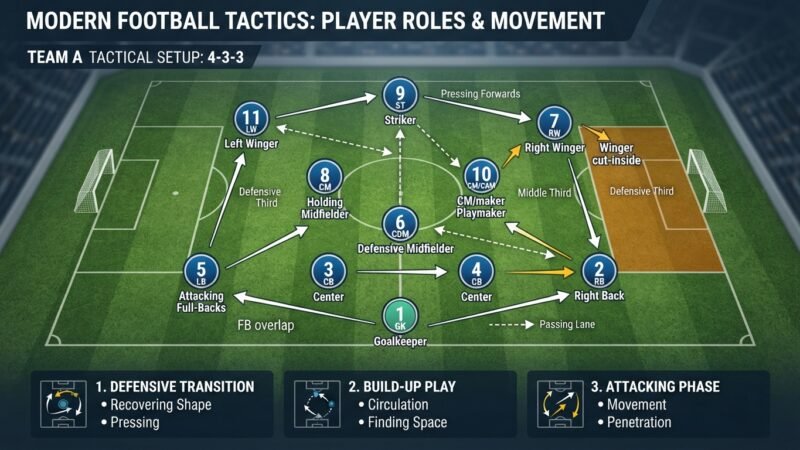
Teams conduct regular tactical sessions where players study formations, opponent tendencies, and strategic plays. This cerebral approach ensures players are mentally equipped for matches.
6. Historical Examples: Footballers Who Mastered Season-Long Performance
H3: Cristiano Ronaldo—The Discipline Icon
Cristiano Ronaldo has maintained world-class performance into his late 30s through:
- Strict nutrition (lean proteins, complex carbs)
- 9+ hours daily sleep (including naps)
- Daily ice baths and massage
-year-round strength training - Mental visualization and focus drills
Ronaldo’s longevity proves discipline and recovery matter more than age.
H3: Lionel Messi—The Technical Genius with Mental Strength
Messi combines:
- Technical refinement through daily drills
-Visualization for match preparation - Smart load management (reduced running in later career)
- Strong family support and low-stress lifestyle
Messi’s 2022 World Cup triumph showcased sustained peak performance across 64 matches in 2021–22.
H3: Erling Haaland—The Modern Powerhouse
Haaland’s regimen includes:
- Heavy resistance training for explosive power
- High-protein diet (1.8–2.2g/kg bodyweight)
- Cryotherapy and compression garments
- Data-driven training loads
Haaland scored 36 goals in 35 Premier League matches (2022–23), proving physical + data-driven approach works.
7. Common Mistakes That Sabotage Peak Performance
Even elite players can fall into traps. Common mistakes include:
- Overtraining: Ignoring fatigue signals and training too hard
- Poor Sleep: Skipping 8+ hours or inconsistent schedules
- Nutritional Gaps: Skipping meals, poor hydration, or wrong timing
- Ignoring Recovery: Skipping massage, ice baths, or stretch sessions
- Mental Burnout: Lack of motivation, pressure, or routine disruption
Clubs prevent these through integrated sports science teams monitoring physical, nutritional, and psychological factors.
FAQ Section
1. How many hours do elite footballers sleep per night?
Elite footballers typically sleep 8–10 hours nightly, plus 20–30 minute naps on training days. Cristiano Ronaldo sleeps 5–6 hours plus regular naps, totaling 9+ hours.
2. What is the best diet for football players?
The best diet includes lean proteins, complex carbohydrates, healthy fats, and ample fruits/vegetables. Hydration is meticulously monitored, and supplements are used judiciously.
3. How do footballers prevent injuries?
Injury prevention includes flexibility training (yoga, stretching), biomechanical assessments, prehab exercises, and load monitoring via wearable devices.
4. What recovery tools do elite players use?
Players use cryotherapy (ice baths), hydrotherapy, massage therapy, compression garments, and stretching/yoga.
5. How does mental training affect performance?
Mental training develops resilience, focus, and coping strategies for pressure. Visualization, mindfulness, and goal-setting enhance mental toughness.
Conclusion: The Multi-Faceted Path to Sustained Elite Performance
The path to success in elite football is multifaceted, requiring a harmonious blend of physical conditioning, technical prowess, mental resilience, and strategic recovery. Top footballers maintain their competitive edge by embracing comprehensive training regimens and continually seeking innovative methods.
Key takeaways:
- Physical conditioning builds strength, speed, and endurance
- Nutrition fuels performance and recovery
- Recovery protocols (sleep, cryotherapy, massage) prevent fatigue
- Mental training builds resilience and focus
- Data-driven load management optimizes training and prevents injury
By mastering these pillars, elite footballers like Ronaldo, Messi, and Haaland sustain world-class performance across entire seasons.

My name is Jeferson, a passionate football enthusiast and the creator of this portal dedicated to fans of the world’s most popular sport. My goal is to provide reliable information, up-to-date news, match analysis, transfer updates, tournament coverage, and everything happening both on and off the pitch.