How International Tournaments Impact Domestic Football Seasons
|
Getting your Trinity Audio player ready... |
For football fans around the globe, there is nothing quite like the spectacle of an international tournament. The vivid colors of national flags, the deafening roar of passionate crowds, and the sheer drama of knockout football create memories that last a lifetime. However, once the confetti is swept away and the champions return home, the sport faces a harsh reality: the lingering hangover of the modern football calendar. Have you ever wondered why top clubs often struggle in the early months of a new domestic season, or why mid-season tournaments leave league tables looking completely unpredictable?
The intersection between international duties and domestic campaigns has become one of the most hotly debated topics in modern football. With the sheer volume of matches skyrocketing, the beautiful game is being stretched to its absolute limits. International tournaments are no longer standalone events; they are massive gravitational forces that alter the trajectory of domestic leagues. From staggering fixture congestion and alarming player fatigue to complex tactical headaches and sweeping economic shifts, the impact is undeniable. In this comprehensive guide, we will explore exactly how these global spectacles disrupt, shape, and ultimately transform the domestic football seasons we follow week in and week out.
The Evolution of the Football Calendar
To understand the current crisis of fixture congestion, we must first look at how the football calendar has evolved over the past few decades. Historically, there was a clear demarcation between club football and international duties. The domestic season had a definitive start and end, allowing players a substantial summer break before international tournaments like the FIFA World Cup or the UEFA European Championship took center stage every two years.
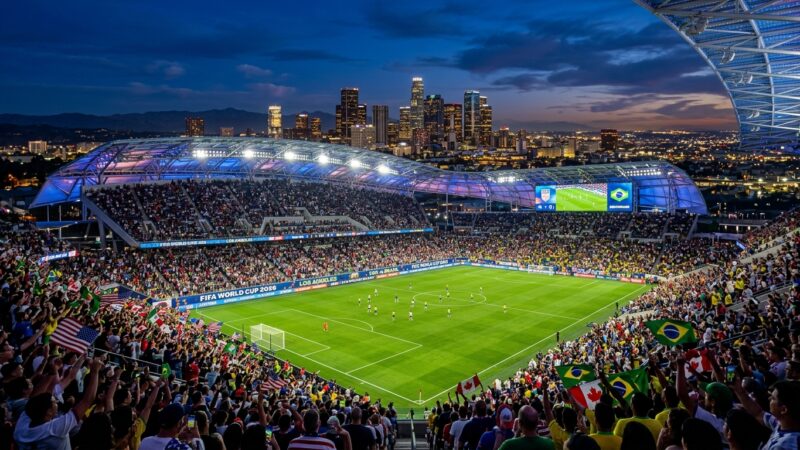
Today, that clean separation no longer exists. The modernization and commercialization of football have birthed an expanded, relentless, and overlapping schedule. Competitions at all levels have grown in size. The UEFA Champions League has expanded its format, adding more group-stage matches. The FIFA Club World Cup has evolved into a much larger, month-long summer event. And on the international stage, the 2026 FIFA World Cup in North America marks a historic expansion from 32 to 48 teams, featuring a staggering 104 matches spread over 39 days.
This expansion means that elite players are participating in more competitions simultaneously than ever before. Mid-season international breaks interrupt the domestic rhythm, while summer tournaments slice directly into what used to be a crucial recovery period. The constant tug-of-war between club commitments and national pride has created a year-round footballing cycle where the concept of an off-season is rapidly becoming a myth. For the fans, this means non-stop entertainment. For the athletes, managers, and domestic clubs, it represents an unprecedented logistical and physical nightmare.
The Physical Toll: Fixture Congestion and Player Fatigue
The most immediate and visible impact of international tournaments on domestic football is the physical toll it takes on the players. When a player travels across continents, switches time zones, and plays high-intensity matches within a short window, their bodies are pushed to the absolute brink.
FIFPRO Reports and The Science of Exhaustion
Recent data has cast a glaring spotlight on the dangers of the modern schedule. According to the FIFPRO Player Workload Monitoring Report for the 2024/25 season, an increasing number of elite players are now surpassing 55 to 60 appearances per season. Crucially, up to 30% of these matches are played while on international duty.
Sports medicine experts highlight that while basic external performance metrics—such as distance covered or sprint speeds—might appear stable, these numbers mask a deeper physiological vulnerability. Players are suffering from cumulative fatigue. This includes underlying neuromuscular stress, residual muscle soreness, sleep disruption due to jet lag, and profound mental exhaustion. When players transition from a grueling domestic campaign straight into an international camp, they do not arrive fresh. They arrive carrying the baggage of a long, congested season, making them highly susceptible to breakdowns.
Injury Rates and The Recovery Deficit
The lack of adequate rest periods has a direct correlation with injury rates. The human body requires a minimum amount of recovery time to repair muscle tissue and replenish energy stores. When tournaments dictate that players must perform every three or four days, the biological recovery deficit widens.
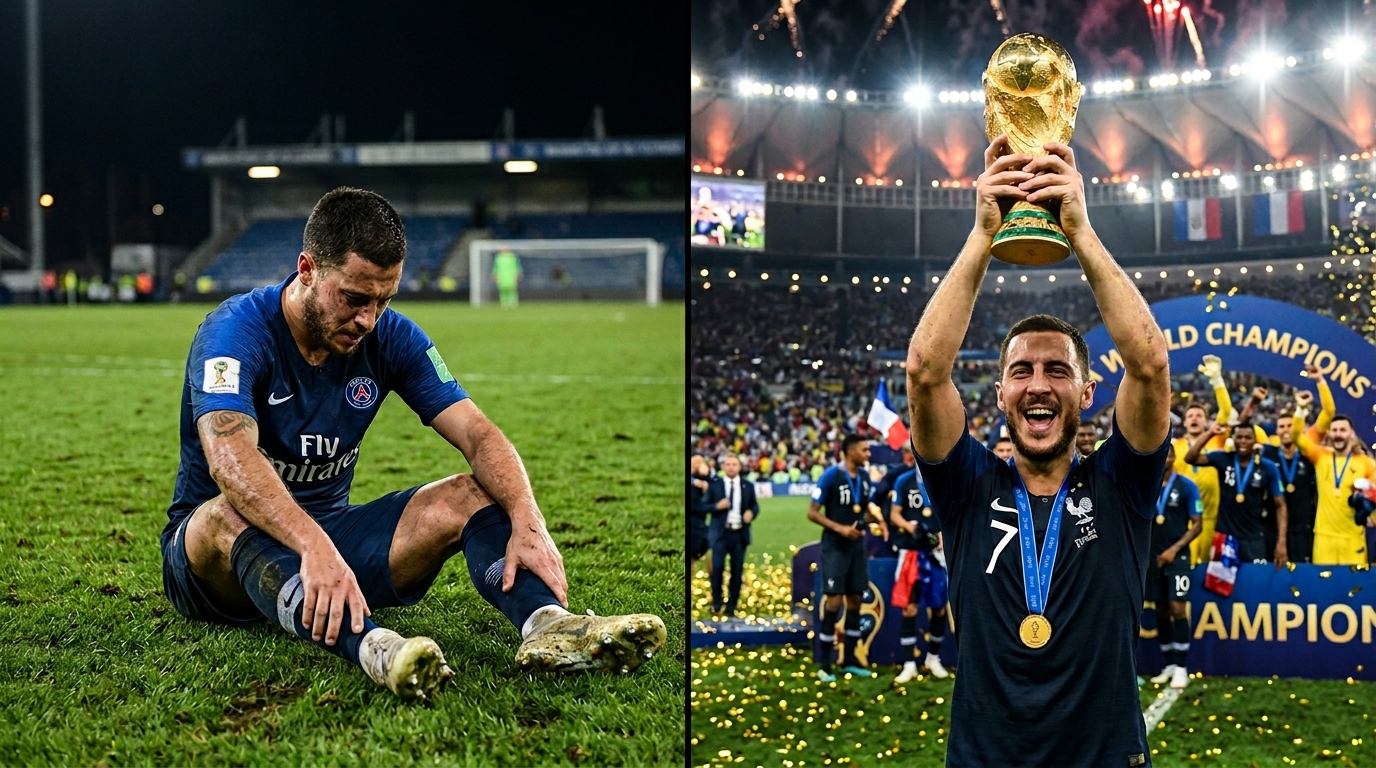
Following major summer tournaments, clubs frequently report a spike in soft-tissue injuries such as hamstring strains, groin pulls, and calf tears during the opening months of the domestic season. Players who reach the latter stages of international competitions are often forced to miss pre-season training, dropping them straight into competitive league matches without proper physical conditioning. This dynamic creates a vicious cycle: players get injured, squads become thinner, and the remaining fit players are forced to play even more minutes, thus increasing their own risk of injury.
The Ripple Effect on Domestic Leagues
Beyond the physical health of the players, international tournaments profoundly impact the competitive balance and tactical landscape of domestic leagues. The consequences ripple through the entire season, affecting everything from managerial strategies to the final league standings.
Tactical Adjustments and Squad Rotation
Managers are no longer just tacticians; they have evolved into high-level workload administrators. In seasons heavily impacted by international duties, a manager’s ability to rotate their squad effectively is often the difference between winning a title and finishing outside the European qualification spots.
Because star players return from international breaks fatigued or carrying minor knocks, managers are forced to rest them for crucial domestic fixtures. This reliance on squad depth heavily favors the wealthiest clubs. Teams with massive financial resources can afford to build rosters featuring two world-class players for every position. Conversely, smaller clubs that rely on a core group of over-performing stars are disproportionately punished when their key players return from national team duty exhausted.
Furthermore, mid-season tournaments—such as the Africa Cup of Nations (AFCON) or the Asian Cup—can derail a club’s campaign entirely. A team might lose its top goalscorer or defensive anchor for up to six weeks right in the middle of a vital title race or relegation battle. Managers have to implement drastic tactical shifts to cover for these absences, often leading to a drop in team cohesion and a string of unpredictable results.
The Financial Burden on Clubs
The financial implications for clubs managing the fallout from international tournaments are massive. Clubs are the entities that pay the players’ lucrative wages, yet they are required by FIFA regulations to release these players for international duty without direct compensation for their time away.
When a player suffers a severe injury while representing their country—a phenomenon infamously dubbed the “FIFA virus” by Spanish media—the club bears the brunt of the consequence. They continue to pay the salary of an unavailable asset, their domestic performance suffers, and they may be forced to spend heavily in the January transfer window to secure a replacement. While governing bodies do have insurance schemes (like the FIFA Club Protection Programme) to compensate for wages during long-term injuries, it rarely covers the broader sporting and financial damages, such as lost broadcast revenue or missing out on Champions League qualification due to a depleted squad.
Economic and Infrastructure Impact: Host Cities in Focus
While the narrative usually focuses on the pitch, international tournaments also generate massive economic and logistical shockwaves that affect domestic football infrastructure. Hosting a major tournament transforms the sporting landscape of an entire region.
The 2026 World Cup: A Logistical Case Study
Take the 2026 FIFA World Cup as a prime example. Hosted jointly by the United States, Canada, and Mexico, it is the largest tournament in football history. Estimates suggest it will mobilize approximately 6.5 million attendees and generate an estimated $9 billion in GDP across North America.
While this sounds like a purely positive economic boom, it has complex ramifications for domestic leagues like Major League Soccer (MLS) and Liga MX. Stadiums used by domestic clubs are often commandeered for the tournament, forcing local teams to navigate extended away trips, play in alternative venues, or endure massive scheduling pauses.
Moreover, the logistical strain is immense. Fans following national teams across multiple host cities generate unprecedented inter-regional and cross-border travel. This puts immense pressure on airports, public transport networks, and hospitality sectors. For domestic teams trying to operate concurrently or preparing for the resumption of their seasons, the congestion can disrupt travel plans, training camps, and standard operations. The infrastructure upgrades catalyzed by hosting a tournament do leave a lasting legacy for domestic clubs, but the short-term disruption is a logistical puzzle that league administrators must carefully solve.
Finding the Balance: How Can Football Adapt?
As the football calendar continues to swell, all stakeholders—FIFA, regional confederations, domestic leagues, clubs, and players’ unions—must find a sustainable path forward. If the current trajectory remains unchecked, the sport risks diluting its own product through exhausted athletes and watered-down domestic competitions.
Technology and Workload Management
In the short term, clubs are relying heavily on sports science and data analytics to mitigate the impact of international tournaments. Wearable GPS trackers, sleep monitoring rings, and blood tests are standard protocol. Sports scientists use this data to create highly individualized recovery programs.
Clubs are also becoming more strategic in their dialogue with national team managers. We are seeing a rise in “load management” agreements, where a national team boss might agree to only play a star player for 60 minutes in a friendly match, ensuring they return to their club with some gas left in the tank. However, these informal agreements are fragile and often break down when competitive international points are on the line.
Calendar Reform and Stakeholder Compromise
The long-term solution requires systemic calendar reform. Player unions like FIFPRO are increasingly vocal, demanding mandatory, protected off-season rest periods and hard caps on the number of back-to-back matches a player can participate in.
There are proposals to consolidate international windows. Instead of five separate international breaks disrupting the domestic season throughout the year, some advocates suggest creating one or two longer, dedicated international blocks. This would reduce the frequency of long-haul travel—which is a major contributor to fatigue—and allow domestic leagues to run more fluidly without constant stops and starts. Achieving this requires a massive compromise, as international federations rely on frequent match windows for broadcasting rights and sponsorships. Nevertheless, finding a harmonious balance is essential to preserve the health of the players and the integrity of both international and domestic football.
Frequently Asked Questions (FAQs)
1. What is fixture congestion in football?
Fixture congestion occurs when a team is scheduled to play a high volume of matches in a very short period of time. This is usually caused by a team competing simultaneously in their domestic league, domestic cups, continental competitions, and releasing players for international duties, leaving very little time for rest and recovery between games.
2. How do mid-season international tournaments like AFCON affect clubs?
Mid-season tournaments can be highly disruptive because clubs are legally obligated to release their players. A club can lose key members of their squad for up to six weeks during a crucial part of the domestic season, which often forces managers to change tactics, rely on unproven youth players, and can lead to a drop in the team’s overall performance.
3. What is the “FIFA virus”?
The “FIFA virus” is a colloquial term coined by sports media and fans. It refers to the phenomenon where players leave their clubs fully fit to join their national teams during an international break, only to return to their clubs suffering from injuries, severe fatigue, or illness.
4. Does hosting an international tournament help domestic leagues?
Yes, in the long term, hosting a major tournament can be highly beneficial. It forces host countries to invest heavily in modernizing stadiums, improving training facilities, and upgrading local transport infrastructure. After the tournament ends, these world-class facilities are inherited by domestic clubs, which can boost attendance and revenue for the local leagues.
5. How are players and unions pushing back against the congested calendar?
Organizations like FIFPRO are actively campaigning for player welfare. They publish detailed workload monitoring reports and are advocating for strict regulations. These demands include mandatory guaranteed off-season breaks, limits on the number of consecutive matches a player can play, and minimizing excessive long-haul travel between club and country duties.
Conclusion
The relationship between international tournaments and domestic football seasons is an intricate, double-edged sword. On one hand, global competitions like the World Cup and continental championships represent the pinnacle of the sport, offering unmatched prestige, historic moments, and significant economic boosts. On the other hand, the expanding modern calendar is pushing the physical limits of the athletes and placing immense strain on domestic clubs through fixture congestion, player fatigue, and financial risks.
As football continues to grow as a global commercial juggernaut, the need for harmony has never been more urgent. Finding a sustainable balance—through data-driven workload management, smarter squad rotation, and potentially radical calendar reforms—is crucial. Only through collaboration between governing bodies, leagues, clubs, and player unions can the sport protect its most valuable assets: the players. Ensuring they are fit to perform at their absolute best is the only way to guarantee the continued magic of both the domestic weekend fixtures and the grand international stage.

My name is Jeferson, a passionate football enthusiast and the creator of this portal dedicated to fans of the world’s most popular sport. My goal is to provide reliable information, up-to-date news, match analysis, transfer updates, tournament coverage, and everything happening both on and off the pitch.