The Journey From Youth Academy Prospect to Professional Footballer

|
Getting your Trinity Audio player ready... |
Every weekend, millions of children around the world lace up their boots, step onto muddy pitches, and chase a football with a singular, glittering dream in mind: to play under the bright lights of a stadium as a professional footballer. The dream is intoxicating. It promises glory, wealth, and the chance to write one’s name into the history books of the beautiful game.
However, the path from a hopeful youth academy prospect to a fully-fledged professional is not a straight line. It is a grueling, unpredictable, and highly competitive journey fraught with immense pressure, physical demands, and emotional heartbreak.
While fans see the polished, multi-million-pound athletes performing in the Premier League, La Liga, or Major League Soccer, they rarely witness the decade-long grind that preceded that debut.
In this comprehensive guide, we will pull back the curtain on the modern football academy system. From the initial scouting phases and the relentless daily routines to the dreaded release days and the crucial transition to senior football, we explore exactly what it takes to survive the funnel and make it as a professional footballer.
5. Main Content
The Starting Whistle: Entering a Football Youth Academy
The journey begins long before a player signs their first professional contract. For most, the road to the top starts in local Sunday leagues, school teams, and park kickabouts, where raw talent first catches the eye of a trained scout.
Scouting and Trials: Getting Noticed
Football clubs employ extensive scouting networks designed to cast a wide net over local, national, and international regions. Scouts are trained to look past a child’s current physical size and focus on technical ability, tactical awareness, and, most importantly, temperament.
Typically, a young player’s journey into an academy involves:
- Initial Observation: A club scout watches a young player in grassroots football.
- The Invitation: The player is invited to a development center or directly to an academy trial.
- The Trial Period: A grueling six-to-eight-week period where the player trains with signed academy players to see if they can meet the required standard.
Children can be signed to academies as young as eight years old (the Under-9s age group). At this stage, the focus is entirely on technical development, ensuring the child is comfortable with the ball at their feet.
The Reality of Academy Life
Once a player signs an academy form, their childhood changes drastically. Academy life requires an immense commitment not just from the player, but from their family.
Evenings and weekends are entirely consumed by training sessions, tactical meetings, and matches against other professional academies. A typical week for a teenager in an elite academy might involve 12 to 15 hours of intense football-related activity, carefully balanced alongside their standard educational requirements.
This environment breeds discipline, but it also creates a bubble. Young players are required to adopt the lifestyle of a professional athlete—monitoring their diet, sleep, and recovery—years before they ever earn a paycheck.
Developing the Complete Player: Technical, Tactical, and Mental Growth
Modern football demands athletes who are not just physically elite but also tactically astute and technically flawless. Academies break down player development into specific, measurable pillars.
Technical and Tactical Mastery
In the early years (U9 to U12), academies prioritize technical mastery. Players engage in high-repetition drills focused on first touch, passing accuracy, dribbling, and weak-foot development. World-renowned academies, such as Barcelona’s La Masia or the Ajax Youth Academy, are famous for instilling a specific club philosophy during these formative years.
As players mature into the U13 to U16 categories, the focus shifts heavily toward tactical understanding. Players learn:
- Positional awareness and spatial geometry on the pitch.
- When to press the opposition and when to drop deep.
- How to transition quickly from defense to attack.
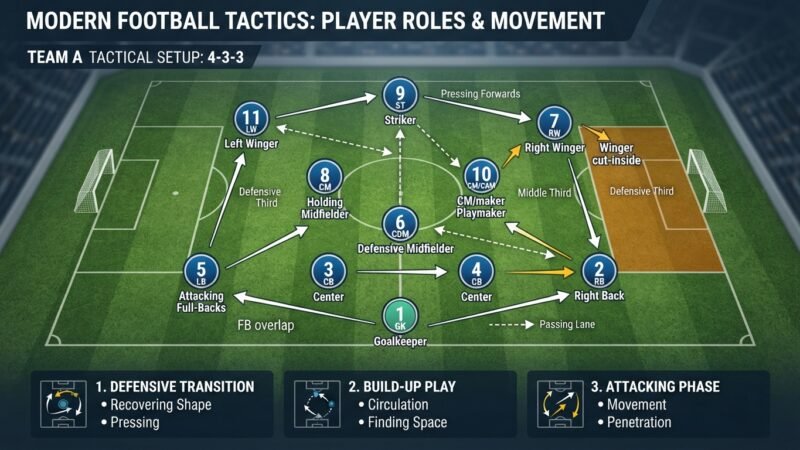
- The nuances of different formations (e.g., 4-3-3 vs. 3-5-2).
The Overlooked Pillar: Psychological Resilience
Perhaps the most crucial, yet historically overlooked, aspect of academy development is psychological resilience. The pressure to perform is relentless. Every six weeks, players are evaluated, and at the end of every season, clubs decide who is retained and who is released.
Sports psychologists are now integral members of academy staff. They help young prospects deal with performance anxiety, the pressure of expectations, and the inevitable setbacks that come with competitive sports. Mental toughness often becomes the defining factor separating two equally talented players.
Physical Conditioning and Sports Science
Gone are the days when youth players simply ran laps around the pitch for fitness. Today, sports science dictates every aspect of physical development.
Academies monitor:
- Growth Spurts: Tracking biological age versus chronological age to prevent injuries during rapid growth phases.
- Load Management: Using GPS trackers to measure distance covered, sprint speeds, and heart rates to prevent overtraining.
- Strength and Conditioning: Building core strength and injury resistance through tailored gym programs.
Navigating the Bottleneck: The Scholarship and U18s Phase
The transition from U16 to U18 is where the funnel narrows dramatically. This is the bottleneck of professional football. At 16, players leave school and hope to be offered a two-year scholarship by their club, effectively becoming full-time apprentices.
The Dreaded Release System
The statistics surrounding youth football are sobering. According to research highlighted in Michael Calvin’s acclaimed book No Hunger in Paradise, out of the 1.5 million boys playing organized youth football in England, only a fraction of a percent will make it as a professional in the Premier League. Even within elite academies, the attrition rate is staggering.
When a player is released—often told in a brief meeting at the end of the season—the psychological toll can be devastating. Many players have tied their entire identity to the badge on their chest.
However, release is not always the end of the road.
Case Study: Overcoming the Odds
History is filled with players who were deemed “not good enough” by academies, only to forge incredible careers.
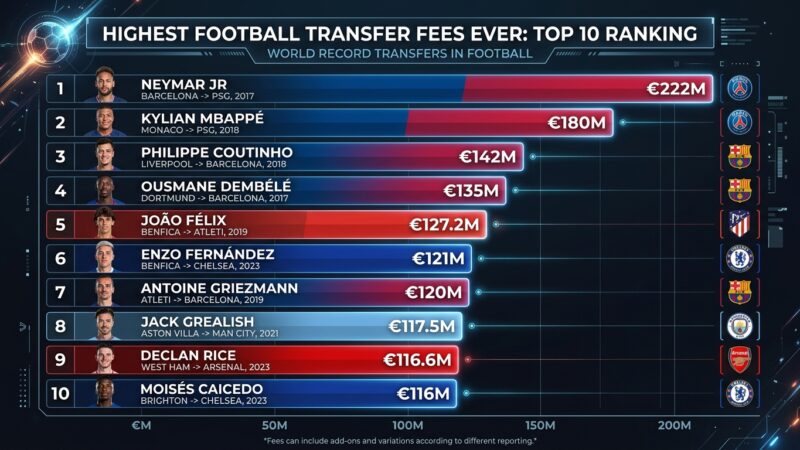
- Declan Rice: Released by Chelsea at age 14, Rice moved to West Ham United, developed into one of Europe’s best midfielders, and eventually transferred to Arsenal for over £100 million.
- Jamie Vardy: Released by Sheffield Wednesday at 16 for being “too small,” Vardy dropped into non-league football before climbing the pyramid to win the Premier League with Leicester City.
These stories underscore a vital lesson for youth prospects: rejection in football is common, but it is resilience and adaptability that ultimately dictate a player’s ceiling.
Stepping Up: The Transition to Senior Football
Earning a professional contract at age 18 is a monumental achievement, but it is merely the end of the beginning. The chasm between Under-21 (or reserve) football and senior first-team football is vast. Senior football is faster, more physical, and infinitely more demanding because jobs and livelihoods are on the line.
The Loan System: A Crucial Stepping Stone
For top-tier clubs, throwing an 18-year-old straight into a high-stakes league match is a massive risk. Instead, clubs utilize the loan system.
By sending a young prospect out on loan to a club in a lower division, the parent club allows the player to gain invaluable experience in “men’s football.”
- Physical Adaptation: Young players learn to cope with the physical brutality of lower-league football.
- Mental Maturity: Playing in front of demanding, paying fans teaches young players how to handle pressure.
Harry Kane is the ultimate example of the loan system’s value. Before becoming Tottenham Hotspur’s all-time leading goalscorer, Kane spent time on loan at Leyton Orient, Millwall, Norwich City, and Leicester City. Those grueling spells in the lower leagues forged the striker he became.
Earning the First-Team Debut
When the manager finally calls a young player’s name from the substitute bench, it is the culmination of over a decade of sacrifice. Making a debut is an unforgettable milestone. Yet, staying in the team is the true test. Young players must quickly earn the trust of senior professionals, adapt to the tactical demands of the head coach, and prove they can consistently deliver on the biggest stage.
The Hidden Challenges Behind the Glamour
While the media focuses on the success stories, it is essential to understand the hidden challenges that face every youth academy prospect.
Injuries and Setbacks
Football is a contact sport, and injuries are inevitable. For a young player, a severe injury like an ACL tear can derail years of progress. Recovering from long-term injuries requires immense mental fortitude. Academies now provide dedicated rehabilitation teams, but the isolation of the treatment room remains one of the hardest challenges for a young athlete to endure.
Education and Life After Football
Because the vast majority of academy players will not secure a long-term career in professional football, education is non-negotiable. Modern academies mandate that players maintain academic standards. Clubs are increasingly focusing on “after-care” programs, ensuring that players who are released are equipped with qualifications to pursue coaching, sports science, business, or entirely different career paths.
The Modern Academy Landscape
The landscape of youth development is constantly evolving, driven by vast financial investments and technological advancements.
Data Analytics and Talent Identification
Clubs no longer rely purely on the “eye test” of an experienced scout. Data analytics now plays a massive role in talent identification and player development. Academies track everything from pass completion rates under pressure to sleep patterns and nutritional intake.
Video analysis is another vital tool. Young players frequently sit down with coaches to review footage of their performances, identifying micro-errors in their positioning or body shape. This analytical approach creates highly intelligent footballers who understand the game on a profound, theoretical level.
6. FAQ Section
Frequently Asked Questions (FAQs)
1. What is the best age to join a football academy?
While clubs can officially sign players to their academies from the Under-9s age group (around 8 years old), there is no single “best” age. Some players join at 8 and progress all the way through, while others are scouted later at 14 or 16. Late developers often bring a hunger and resilience formed in grassroots football that lifelong academy players may lack.
2. How much does it cost to join a professional youth academy?
If a player is scouted and signed by a professional, officially sanctioned football academy (such as those in the English Premier League or EFL), it is completely free. The club covers the costs of coaching, facilities, and kit. Beware of “pay-to-play” academies that promise professional contracts in exchange for large sums of money; these are usually private coaching businesses, not official club academies.
3. What percentage of academy players become professional footballers?
The statistics are incredibly harsh. Studies suggest that of the boys who enter elite academies at the age of 9, less than 1% will go on to make a living playing professional football at the highest levels. The attrition rate is massive, highlighting the extreme competitiveness of the sport.
4. What happens if a player is released from an academy?
Being released is difficult, but it is not the end. Many released players drop down a division to trial with other professional clubs or join semi-professional teams where they can play regular men’s football. Modern academies also provide exit trials (where multiple scouts watch released players) and support in finding educational scholarships, such as those offered by universities in the United States.
5. Can you become a pro footballer without going to an academy?
Yes, although it is less common today than in the past. Players like Ian Wright and Jamie Vardy famously made their names in non-league, amateur football before being scouted by professional clubs in their early twenties. If you perform exceptionally well at a semi-professional level, scouts will eventually take notice.
7. Conclusion
The journey from a wide-eyed youth academy prospect to a professional footballer is one of the most arduous paths in modern sports. It demands technical brilliance, relentless physical conditioning, and an unbreakable psychological resolve. For every superstar lifting a trophy in front of thousands of adoring fans, there are thousands of unseen stories of players who sacrificed their youth but ultimately fell short of the final hurdle.
Yet, despite the formidable odds, the academy system remains a vital, beautiful part of football culture. It teaches discipline, teamwork, and resilience—qualities that serve young people well, whether they end up playing in the Champions League or succeeding in the boardroom.
For the few who navigate the trials, the injuries, the loans, and the pressure to step onto the pitch as a professional, the reward is the realization of the ultimate childhood dream.
Want to learn more about the beautiful game? Dive deeper into our tactical breakdowns, player profiles, and expert football analyses. [Explore our latest football articles here!]

My name is Jeferson, a passionate football enthusiast and the creator of this portal dedicated to fans of the world’s most popular sport. My goal is to provide reliable information, up-to-date news, match analysis, transfer updates, tournament coverage, and everything happening both on and off the pitch.