Why Some High-Profile Transfers Fail Despite Huge Expectations
|
Getting your Trinity Audio player ready... |
We all know the thrill of transfer deadline day. Fans track private jets online, refresh social media feeds obsessively, and celebrate when their club finally posts the glossy unveiling video of a £100 million superstar.
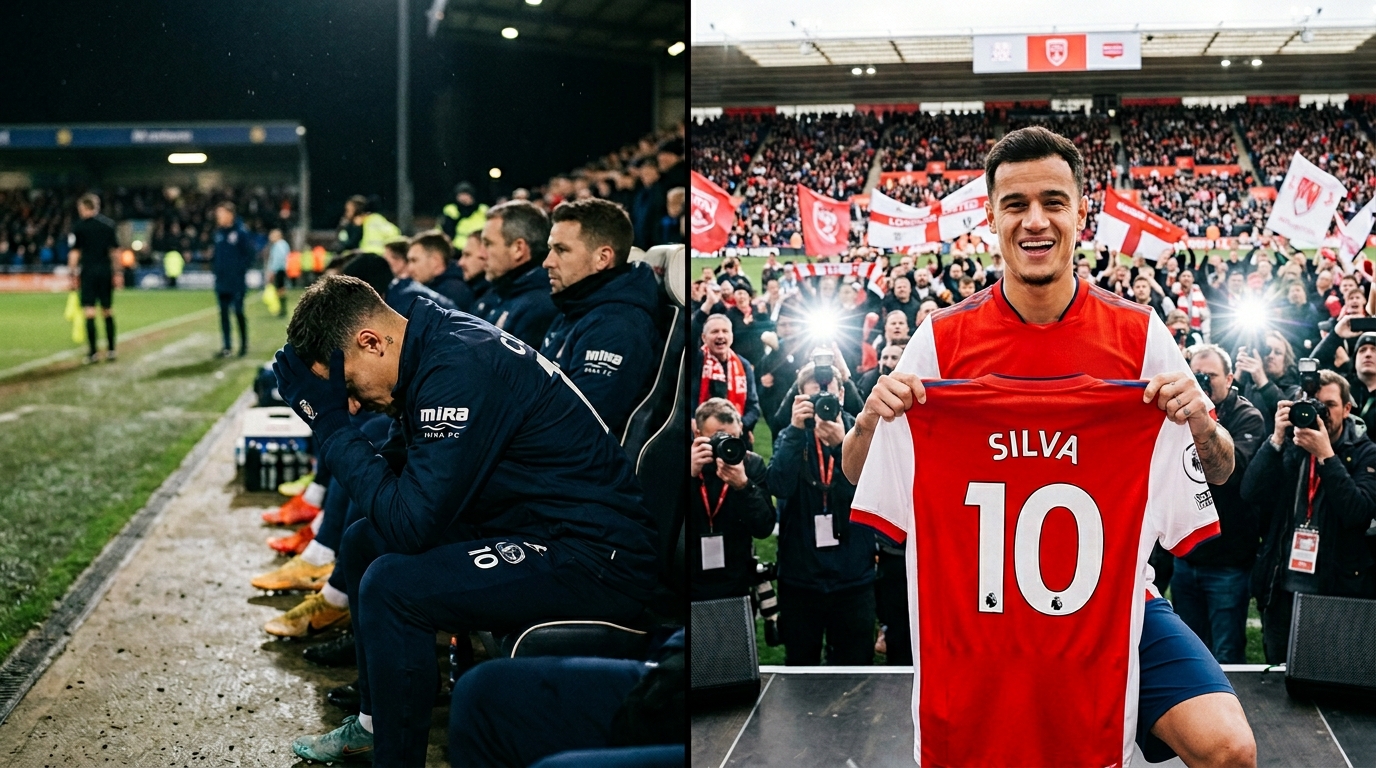
The player holds up the scarf. The manager smiles for the cameras. Pundits declare that the missing piece of the championship puzzle has finally been found. Expectations soar to the stratosphere.
But fast forward eighteen months, and that same superstar is sitting on the bench, looking completely lost. The fans who once cheered their arrival are now groaning at every misplaced pass. Eventually, the player is quietly shipped off on loan, with the club paying half their wages just to get them out of the dressing room.
Why does this happen so often? How can a player who looked like a world-beater in one league suddenly look like an amateur in another?
The truth is, football is a deeply complex ecosystem. A successful transfer requires a delicate balance of tactical fit, physical readiness, psychological resilience, and timing. Let’s dive deep into why some high-profile transfers fail despite enormous expectations.
The Burden of the Price Tag: Psychological Pressure
Footballers are highly paid athletes, but they are still human beings. When a club shatters its transfer record to bring a player in, they aren’t just buying the player’s talent; they are strapping an invisible, incredibly heavy backpack of expectations onto their shoulders.
When Millions Feel Like Weights
The moment a player’s transfer fee crosses the £70 million, £80 million, or £100 million threshold, the narrative changes. The media and the fanbase expect instant perfection.
If an academy graduate misses an easy chance, fans are forgiving. If a £90 million striker misses that same chance, the slow-motion replays loop endlessly on social media, accompanied by mockery and harsh criticism.
This immense pressure can cause a phenomenon known in sports psychology as “paralysis by analysis.” Players who previously relied on instinct begin overthinking every touch, pass, and shot. They try too hard to justify their price tag. Instead of playing the simple, effective pass, they attempt a Hollywood ball that gets intercepted. Instead of shooting naturally, they hesitate.
We have seen this psychological weight crush incredibly talented players. They stop taking risks, their confidence plummets, and a vicious cycle begins: poor form leads to more criticism, which leads to even lower confidence.
Tactical Mismatches: Square Pegs in Round Holes
Perhaps the most common reason a blockbuster transfer fails is a fundamental misunderstanding of tactics. Modern football is highly systematic. Managers build intricate machines where every player is a specialized cog.
The System Over the Superstar
When a club buys a superstar, they often focus on the player’s individual brilliance rather than how that brilliance was manufactured at their previous club.
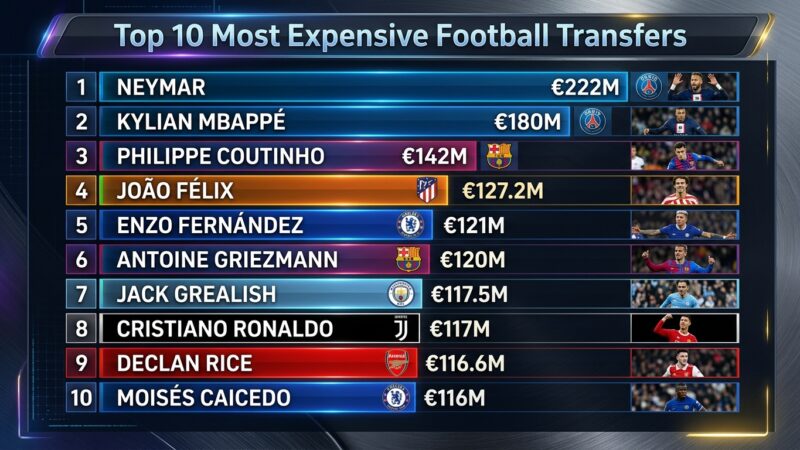
Consider a classic tactical mismatch: Philippe Coutinho’s move to Barcelona.
At Liverpool, Coutinho was the undisputed main man. Jurgen Klopp’s system allowed him to operate in the left half-space, drifting inside to orchestrate play, take long shots, and dictate the tempo. The team was built to cover his defensive limitations.
When Barcelona paid over £100 million for him, they expected him to seamlessly replace Andres Iniesta or play as a traditional winger. But Barcelona already had a player who occupied the central attacking spaces and dictated play: Lionel Messi. Coutinho was forced out wide, stripped of the tactical freedom that made him special, and tasked with duties that didn’t suit his profile. He was a brilliant player, but he was the wrong piece for Barcelona’s puzzle.
Counter-Attack vs. Possession
Another classic mismatch occurs with strikers. Imagine a powerful forward who scores 25 goals a season playing for a team that utilizes a low block and lightning-fast counter-attacks. He thrives on running into acres of open space behind the opposition’s defense.
A top club buys him for a massive fee. However, this top club dominates possession and faces opponents who defend with ten men behind the ball (a low block). Suddenly, the striker has no space to run into. He is asked to play with his back to goal, link up play in tight areas, and break down stubborn defenses—skills he rarely had to use previously.
Despite his undeniable talent, the tactical environment sets him up for failure. The club didn’t buy a bad player; they bought the wrong player for their specific style of play.
The Injury Curse: Physical Breakdowns
Sometimes, a transfer fails for reasons entirely out of the player’s or the manager’s control. The physical demands of top-tier football are grueling, and bad luck with injuries can completely derail a dream move.
Bad Luck or Bad Scouting?
The most tragic example in recent history is Eden Hazard’s transfer to Real Madrid.
Hazard arrived in Spain as one of the best players on the planet, fresh off carrying Chelsea to Europa League glory. Real Madrid paid a premium fee, handed him the iconic number 7 shirt, and expected him to fill the void left by Cristiano Ronaldo.
But almost immediately, Hazard suffered a severe ankle injury. This wasn’t just a bump or a bruise; it required surgery and led to a cascade of compensatory injuries. Over his time in Madrid, he spent more time in the rehabilitation room than on the pitch. When he did play, the explosive burst of acceleration that made him unplayable in the Premier League was gone.
While some injuries are pure bad luck, others highlight flaws in medical scouting. Clubs now invest heavily in physiological screening to detect underlying issues before a transfer is finalized. However, predicting how a player’s body will react to a new training regimen, a different league’s physical intensity, or an unlucky tackle remains an inexact science.
Cultural and Environmental Adaptation
Fans only see the 90 minutes on the pitch. What they don’t see are the 166 other hours in the week. Footballers are expats, often moving to foreign countries at a young age, and the struggle to adapt to a new culture is a massive factor in transfer failures.
Life Off the Pitch Matters
Imagine moving your entire life to a new country where you don’t speak a word of the language. The weather is entirely different from what you’re used to. The food is unfamiliar. Your family and childhood friends are thousands of miles away.
Even if you are being paid millions, homesickness and isolation are very real human emotions.
When Ángel Di María moved from Real Madrid to Manchester United, he arrived as a Champions League winner and started brilliantly. But off the pitch, his family struggled to settle. They experienced a terrifying attempted burglary at their home, and Di María openly admitted he disliked the gloomy English weather. Unsurprisingly, his form plummeted, and he left for Paris Saint-Germain after just one miserable season.
Language barriers also severely impact on-pitch performance. If a center-back cannot quickly understand the tactical shouts of his goalkeeper or full-backs in the heat of a match, defensive errors are inevitable. Clubs are now wising up to this, hiring full-time player liaison officers to help new signings set up bank accounts, find schools for their children, and learn the local language, ensuring they are mentally clear to focus on football.
Managerial Instability and Shifting Visions
A football club is a highly volatile workplace. A player might sign for a team because the current manager heavily recruited them, promising a specific role and a shared tactical vision. But in modern football, managers are rarely given time.
Bought by One, Benched by Another
What happens when a £60 million signing arrives in August, but the manager who bought him gets sacked in October?
The new manager comes in with entirely different ideas. The previous manager played a 4-3-3 formation requiring flying wingers. The new manager prefers a narrow 3-5-2 with wing-backs and no natural wingers. Overnight, the £60 million signing goes from being the tactical focal point to an expensive benchwarmer.
This lack of alignment between the boardroom (who negotiate the transfers) and the dugout (who pick the team) is a primary driver of high-profile flops. Clubs with clear sporting directors and a rigid overarching philosophy—like Manchester City or Arsenal in recent years—rarely suffer from this. They buy players for the club’s defined system, ensuring that even if the manager changes, the player still fits the blueprint.
Unrealistic Expectations and The Media “Goldfish Bowl”
The media landscape surrounding modern football is relentless. With 24/7 sports news channels, tactical blogs, fan-led YouTube channels, and Twitter/X analysts, every single touch a player takes is scrutinized under a microscope.
The Echo Chamber of Criticism
When a high-profile transfer hits a minor slump—say, going three games without a goal—the media narratives begin to swirl. Tabloids run front-page articles questioning their commitment. Pundits analyze their body language during the warm-up.
This “goldfish bowl” effect can be suffocating, particularly for young players making their first big move. A 21-year-old prodigy might have thrived in a smaller market where the local press was supportive and expectations were moderate. Thrust into the global spotlight of a club like Manchester United, Bayern Munich, or Real Madrid, the noise can become overwhelming.
Instead of being allowed to develop, make mistakes, and learn—a natural part of any young athlete’s career—they are branded a “flop” within six months. This premature labeling often becomes a self-fulfilling prophecy.
How Smart Clubs Prevent Mega-Money Flops
The days of simply buying the best players on the market and hoping they figure it out together are over. Elite football clubs are evolving. To prevent wasting astronomical sums of money, clubs have overhauled their recruitment strategies.
Here is how top-tier teams are mitigating the risk of high-profile transfer failures:
- Data-Driven Profiling: Clubs use advanced metrics (like Expected Goals, progressive passes, and pressing intensity) to ensure a player’s statistical output perfectly matches the tactical demands of the team.
- Psychological Vetting: Scouts don’t just watch matches; they investigate a player’s character. They interview former coaches, teammates, and even school teachers to assess work ethic, resilience, and personality.
- Holistic Integration: Teams now have dedicated departments to handle a player’s life off the pitch. From securing luxury housing to hiring private chefs who understand their dietary needs, clubs try to remove any excuse for poor performance.
- Patience and Phased Introductions: Smart managers no longer throw new signings directly into the starting lineup. They slowly integrate them, allowing them to learn the system and adapt to the league’s pace behind closed doors before facing the public glare.
Frequently Asked Questions (FAQ)
1. What is considered a “transfer flop” in football?
A transfer flop is a player who was purchased for a significant amount of money and arrived with high expectations, but ultimately failed to deliver on the pitch. This is usually due to poor form, inability to fit into the team’s tactics, severe injury issues, or disciplinary problems. The term is heavily linked to the discrepancy between the player’s cost and their actual output.
2. Do football clubs get their money back if a player fails?
Generally, no. Once a transfer fee is paid, it is a sunk cost. However, clubs will try to recoup some of their losses by selling the player to another team, usually for a heavily discounted price. Sometimes, clubs loan the player out to save money on their weekly wages, hoping the player regains form and their market value increases.
3. How much of a player’s failure is the manager’s fault?
It varies, but the manager plays a massive role. A manager’s job is to put players in positions where they can succeed. If a manager forces a new signing to play out of position or in a tactical system that exposes their weaknesses, the manager shares a large portion of the blame. Conversely, if a player refuses to adapt or lacks effort, the fault lies squarely with the athlete.
4. Can a player recover from being labeled a flop?
Absolutely. Many players struggle initially but turn their careers around. Sometimes all it takes is a change of manager, a slight tactical tweak, or simply a full pre-season to get up to speed. Other times, a player might flop at one club, transfer to a different team that better suits their style, and return to world-class form immediately.
5. Why do players from other leagues often struggle in the English Premier League?
The Premier League is renowned for its relentless physical intensity, high-speed transitions, and lack of a winter break. Players coming from slower, more tactical leagues often need a full season to adjust their physical conditioning to cope with the high-pressing demands of English football. Referees in England also tend to be more lenient on physical tackles, which can shock players used to drawing easy fouls in other European leagues.
Conclusion
The excitement of a massive football transfer will never go away. It is the lifeblood of the summer months and the ultimate fuel for fan debates. However, as history has shown us time and again, money does not guarantee chemistry, and talent alone cannot overcome tactical friction or psychological pressure.
When a high-profile transfer fails, it is rarely because a player suddenly forgot how to kick a football. It is almost always a combination of tactical mismatches, injuries, cultural isolation, and the crushing weight of the price tag.
As football continues to evolve, the smartest clubs are those that treat recruitment not as a shopping spree, but as a meticulous puzzle. Because in the beautiful game, buying the best player isn’t nearly as important as buying the right player.
Want to dive deeper into the tactical side of the beautiful game? Explore our Tactical Analysis section for more breakdowns on how the world’s best managers build winning teams, or sign up for our weekly newsletter to get the best football content delivered straight to your inbox!

My name is Jeferson, a passionate football enthusiast and the creator of this portal dedicated to fans of the world’s most popular sport. My goal is to provide reliable information, up-to-date news, match analysis, transfer updates, tournament coverage, and everything happening both on and off the pitch.