The Growing Influence of Social Media on Football Clubs and Players
|
Getting your Trinity Audio player ready... |
The roar of the stadium used to be the loudest voice in world football. Today, that roar has been amplified by the global ping of smartphone notifications. Welcome to the modern era of the beautiful game, where what happens on the pitch is merely the foundation of a much larger digital empire.
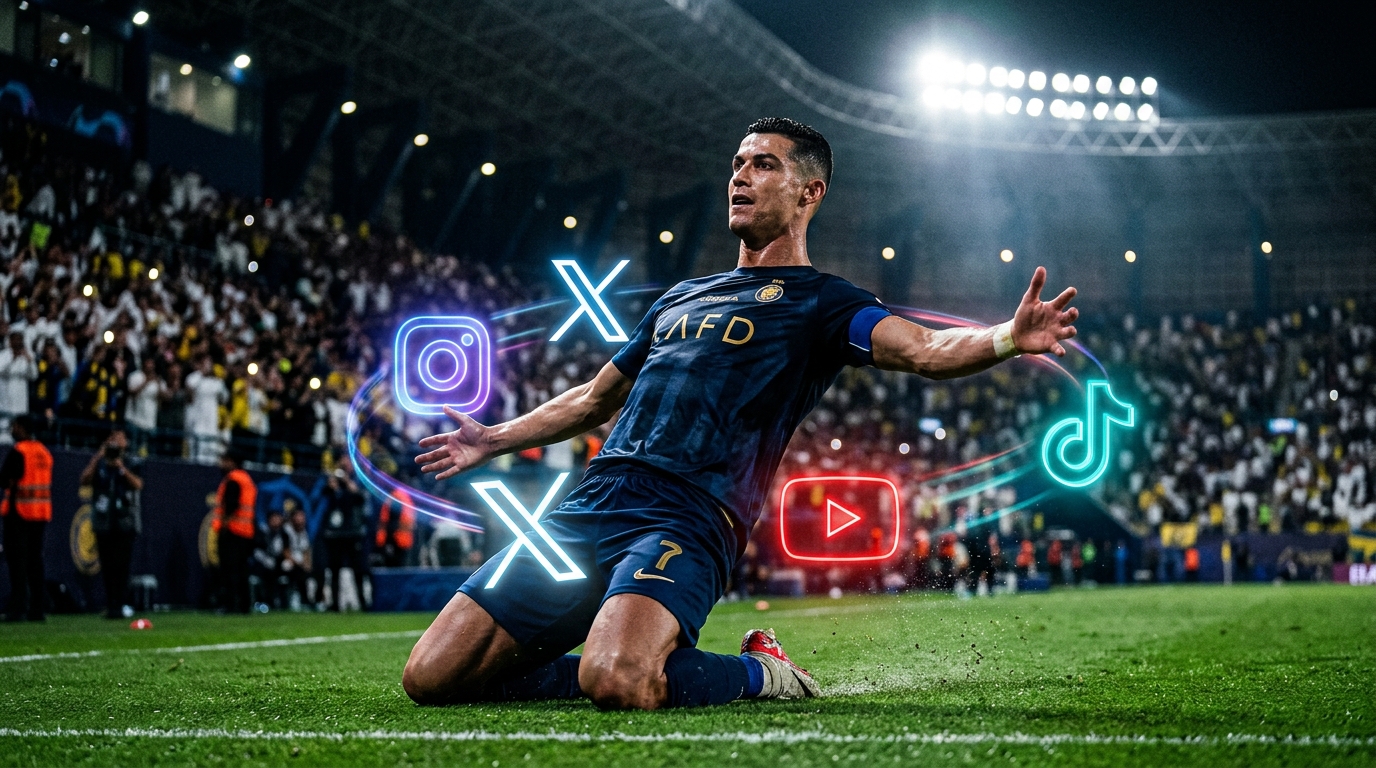
The growing influence of social media on football clubs and players has fundamentally altered how fans consume the sport, how clubs generate astronomical revenues, and how players build billion-dollar personal brands. From viral transfer announcements that break the internet to daily dressing-room insights on TikTok, digital platforms have transformed football from a weekly 90-minute spectacle into a relentless 24/7 global entertainment machine.
Whether you are a die-hard supporter analysing tactical data or a casual fan enjoying a player’s behind-the-scenes YouTube vlog, you are an active participant in an interconnected digital stadium. In this comprehensive guide, we will explore exactly how platforms like Instagram, X (formerly Twitter), TikTok, and YouTube have rewritten the rulebook of football business, marketing, and global fan engagement.
The Evolution of Football from Pitch to Platform
The traditional model of football fandom was heavily localised. If you supported a club, you likely lived in the same city, read the local newspaper, and bought a ticket to the match. Today, the landscape is unrecognisable. Social media has erased geographical boundaries, allowing a fan in Toronto or Sydney to feel just as connected to a club as a season ticket holder in Manchester or Madrid.
How Social Media Redefined Fandom
In the early 2010s, social media in football was little more than an afterthought—a place for clubs to post final scores and basic news updates. However, as platforms evolved to prioritise visual and video content, clubs quickly realised they were sitting on a goldmine of exclusive, highly desirable material.
Football is inherently emotional and tribal, making it the perfect catalyst for online engagement. Fans no longer want to wait for the Sunday morning newspaper to read a manager’s quote. They want immediate reactions, live streams of open training sessions, and raw, unfiltered moments from the dressing room.
This demand for constant access has forced clubs to transform from traditional sports teams into fully-fledged global media publishers. They now employ armies of videographers, graphic designers, data analysts, and social media managers to feed the algorithm and keep fans hooked.
The Shift to “Retention” in Digital Media
As we navigate through 2026, the digital strategy of top clubs has matured. For years, the ultimate goal was simply “reach”—amassing as many followers as possible. Today, the focus has shifted entirely to “retention.”
Leagues and clubs have accepted that high follower counts mean very little without active, monetisable engagement. The modern strategy is about keeping fans within a club’s specific digital ecosystem. By using social media as a funnel, clubs direct fans toward bespoke club apps, exclusive streaming platforms, and direct-to-consumer digital products. This shift from passive scrolling to active retention is defining the financial future of the sport.
How Football Clubs Use Social Media to Drive Revenue
The commercialisation of football is heavily reliant on a club’s digital footprint. The number of followers a club boasts on social media directly correlates with its potential to attract lucrative sponsors, sell merchandise, and expand into new international markets.
Commercial Dominance and the €5 Billion Milestone
The financial impact of social media cannot be overstated. According to the Deloitte Football Money League 2026 report, the top 20 revenue-generating clubs amassed a staggering €12.4 billion.
A critical takeaway from this data is the explosive growth of commercial revenue. For the first time in history, commercial revenue for these top clubs exceeded the €5 billion mark, cementing it as the most significant proportion of total income.
Why is this happening? Because plateauing domestic broadcast rights have forced clubs to look elsewhere for financial growth. By leveraging their massive social media followings, clubs can create unique, revenue-generating business models away from traditional TV deals.
- Digital Partnerships: Clubs can offer sponsors highly targeted digital campaigns that reach millions of engaged fans instantly.
- Direct-to-Consumer Sales: Limited-edition kit drops and merchandise are now sold directly through Instagram and TikTok shops.
- Data Monetisation: Fan data gathered through social media interactions is used to tailor specific marketing campaigns, increasing conversion rates.
Attracting Global Sponsors Through Digital Reach
In the past, a sponsor’s primary concern was how many times their logo would be seen on television during a match. While shirt sponsorships still matter, modern brands care just as much about digital visibility.
Companies increasingly choose to partner with football clubs based on their social media metrics rather than their recent trophy haul. A single viral post from Real Madrid or Manchester City can reach tens of millions of users worldwide in a matter of minutes. This level of exposure is incredibly attractive for global airlines, tech giants, and fintech companies looking to build brand recognition quickly.
Furthermore, digital partnerships allow sponsors to track return on investment (ROI) in real-time. Through affiliate links, promotional codes, and click-through rates, a sponsor can see exactly how many sales were generated from a single club tweet or Instagram story.
Localised Content for International Audiences
To truly maximise their global influence, elite football clubs do not rely on a single, English-language social media account. Instead, they operate a sophisticated network of localised channels.
Top European clubs run dedicated X and TikTok accounts in Arabic, Spanish, Japanese, Korean, and Portuguese. They hire local content creators who understand regional humour, cultural nuances, and internet slang. By tailoring their content to specific demographics, clubs can foster a deeper emotional connection with international fans, which eventually translates into higher merchandise sales and international broadcast viewership in those regions.
The Rise of the Player-Brand: Athletes as Global Franchises
While clubs have grown their digital empires, individual players have arguably become even more powerful. The growing influence of social media on football clubs and players has flipped the traditional power dynamic. Today, a marquee player often boasts a larger social media following than the club that employs them.
The Cristiano Ronaldo Phenomenon: Breaking YouTube Records
There is no greater example of player power in the digital age than Cristiano Ronaldo. As the first person in history to surpass one billion followers across all social media platforms, Ronaldo is a walking multinational corporation.
His influence reached unprecedented heights in late 2024 when he launched his official YouTube channel, “UR Cristiano.” The channel shattered global platform records almost immediately:
- Reached 1 million subscribers in just 90 minutes.
- Hit 10 million subscribers in under 12 hours.
- Surpassed 50 million subscribers within 7 days.
Ronaldo’s transition from a football player to a full-time content creator proves that fans are deeply invested in the personal lives and thoughts of their heroes. His channel features everything from exclusive training footage to intimate family moments and podcast-style interviews. This level of direct access bypasses traditional sports media entirely, allowing players to control their own narratives.
Empowering the Modern Athlete
This phenomenon is not limited to Ronaldo. Players like Lionel Messi, Kylian Mbappé, and Erling Haaland have leveraged their digital presence to secure massive off-pitch earnings.
Social media empowers athletes to champion causes they care about, launch their own businesses, and build a brand that will outlast their playing careers. For instance, Marcus Rashford famously used his X account to successfully lobby the UK government into changing its policy on free school meals.
Players are now fully aware of their commercial worth. When negotiating contracts, a player’s “digital image rights” are negotiated just as fiercely as their weekly wage. They are no longer just employees of a football club; they are independent global franchises.
The Impact on Club Value and Merchandise Sales
When a club signs a global superstar, they are not just acquiring talent for the pitch; they are acquiring millions of new digital consumers.
When a mega-star changes clubs, a massive digital migration occurs. Fans of the player will immediately follow the new club’s social media accounts, driving up the club’s digital valuation overnight. This spike in engagement allows the club to renegotiate sponsorship deals and sell an unprecedented amount of merchandise.
The signing is treated as a blockbuster movie release, heavily reliant on a carefully orchestrated social media rollout.
Revolutionising the Transfer Market
Historically, fans found out about a new signing via a short press release or a teletext update. Today, the transfer market is an entirely different beast, fuelled by the relentless machinery of social media.
The Viral Transfer Announcement
Football clubs have turned transfer announcements into high-end cinematic productions. Recognising that a new signing generates the highest levels of online engagement of the year, clubs invest heavily in creative reveal videos.
Whether it is a player playing a piano, a clever reference to pop culture, or a high-octane hype video featuring local musicians, the goal is always the same: go viral. These announcements are meticulously designed to be shared, retweeted, and discussed.
A successful transfer announcement generates millions of impressions, which directly benefits the club’s commercial partners whose logos are plastered across the video.
Journalism vs. Club Media
Social media has also changed how transfer news is reported. The rise of “transfer gurus” like Fabrizio Romano, known for his iconic “Here we go!” catchphrase, has turned transfer speculation into a year-round soap opera.
Fans refresh their feeds obsessively during the summer and winter windows, eager for the slightest hint of a deal. This creates a fascinating dynamic where clubs and journalists are in a constant race to control the narrative. Clubs often leak information strategically to trusted reporters to gauge fan reaction or apply pressure during negotiations.
The result is a digital ecosystem where the drama of the transfer window is almost as entertaining as the football season itself.
Enhancing the Matchday Experience and Fan Engagement
Social media has completely redefined what a “matchday” looks like. It is no longer constrained to the two hours a fan spends inside the stadium or in front of the television.
Beyond the 90 Minutes
Football clubs now treat a match as a weekend-long content event. The digital coverage begins days in advance with training ground clips, press conference highlights, and historical throwback videos designed to build anticipation.
On the day of the game, social media provides a constant drip-feed of content:
- Pre-Match: Team arrivals, dressing room setups, and warm-up livestreams on TikTok.
- In-Game: Real-time goal graphics, instant tactical analysis, and fan reaction polls.
- Post-Match: On-pitch interviews, tunnel cam footage, and behind-the-scenes celebrations (or commiserations).
This relentless stream of content ensures that fans are constantly connected to the club, regardless of their time zone. It also provides endless inventory for sponsors to attach their branding to, further driving the club’s commercial revenue.
Data as a Product: The Future of Fan Interaction
As we move deeper into 2026, the intersection of stadium infrastructure and social media is entering a new era. Advanced stadiums are now equipped to handle tens of thousands of fans uploading high-definition video simultaneously.
Clubs are encouraging fans to create user-generated content (UGC) during matches. By creating bespoke stadium filters, augmented reality (AR) matchday programmes, and interactive half-time games on club apps, clubs turn attendees into active brand ambassadors.
Every time a fan shares a video of a goal celebration on their personal Instagram story, they are providing the club with free, authentic marketing that reaches a wider, often younger, demographic.
The Dark Side: Challenges and Toxicity Online
While the growing influence of social media on football clubs and players has created massive financial and marketing opportunities, it would be irresponsible to ignore the severe negative consequences of this digital revolution.
Navigating Mental Health and Cyberbullying
The direct access that fans have to players is a double-edged sword. While it allows for positive interaction, it also exposes athletes to unprecedented levels of abuse.
Following a poor performance, a missed penalty, or a controversial transfer, players’ social media feeds are frequently flooded with toxic comments, cyberbullying, and abhorrent racist abuse. This constant scrutiny places an immense mental health burden on young athletes.
Many high-profile players have spoken out about the anxiety caused by social media, and some have chosen to hand over their accounts entirely to professional management agencies to protect their mental well-being.
Regulation and Cleaning up Timelines
Football clubs, leagues, and digital platforms are under increasing pressure to regulate this environment. In recent years, we have seen clubs boycott social media for weekends to protest the lack of action taken by tech companies against abusive accounts.
In 2026, the conversation has shifted toward stricter digital regulation. Advanced AI moderation tools are being implemented to filter out hate speech before the player even sees it. Clubs are also providing in-house sports psychologists and digital media training to help young academy prospects navigate the pitfalls of online fame.
Maintaining a healthy digital ecosystem is paramount, not just for the welfare of the players, but to protect the brand safety of the clubs and their corporate sponsors.
FAQ Section
Q1: How do football clubs make money from social media?
Clubs generate revenue from social media through digital sponsorships, direct-to-consumer merchandise sales, monetised video content (like YouTube ad revenue), and by leveraging their large follower counts to negotiate better international broadcasting and commercial partnership deals.
Q2: Who is the most followed football player on social media?
Cristiano Ronaldo is the most followed football player—and the most followed individual globally. He recently became the first person to surpass one billion followers across all major platforms, aided by the record-breaking launch of his YouTube channel.
Q3: Why do football clubs have multiple social media accounts in different languages?
Having localised accounts allows clubs to tailor content to specific cultural demographics. It helps build a deeper emotional connection with international fans, breaking down language barriers and driving regional merchandise sales and fan engagement.
Q4: How has social media changed football journalism?
Social media has drastically accelerated the speed of news delivery. Transfer reporting, in particular, has become a 24/7 spectacle dominated by digital journalists who provide real-time updates directly to fans, bypassing traditional print media and press conferences.
Q5: What are clubs doing to protect players from online abuse?
Clubs are increasingly hiring digital agencies to manage player accounts, employing AI moderation tools to block toxic comments, and offering psychological support. Furthermore, football organisations continue to lobby social media platforms for stricter identity verification to deter anonymous abuse.
Conclusion
The growing influence of social media on football clubs and players has irreversibly changed the landscape of the sport. What began as a simple tool for communication has evolved into a multi-billion-dollar industry that dictates commercial revenue, influences transfer market dynamics, and redefines what it means to be a modern fan.
Clubs have transformed into global media powerhouses, leveraging their digital reach to secure record-breaking financial deals and create immersive matchday experiences. Simultaneously, players have harnessed these platforms to transcend the sport, building personal brands that rival multinational corporations in scope and influence.
However, as the industry continues to innovate into 2026 and beyond, football must navigate the complex challenges of digital toxicity and player mental health. The ultimate success of a modern football club now relies just as much on its digital strategy and online community management as it does on its tactics on the pitch.
Ready to dive deeper into the business and culture of the beautiful game? Explore our latest articles on tactical analysis, club finances, and player profiles to stay ahead of the curve!

My name is Jeferson, a passionate football enthusiast and the creator of this portal dedicated to fans of the world’s most popular sport. My goal is to provide reliable information, up-to-date news, match analysis, transfer updates, tournament coverage, and everything happening both on and off the pitch.